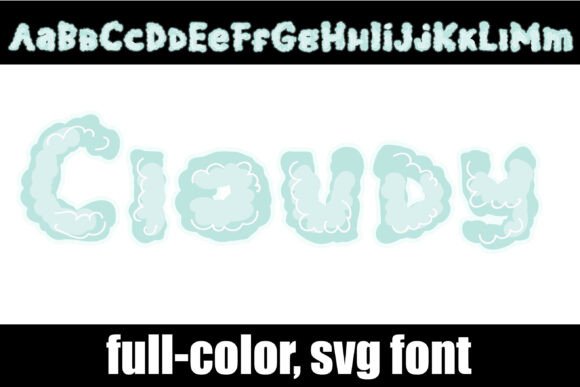
Cloudy: Elevate Your Designs with a Whimsical, Full-Color SVG Font
Cloudy is more than just a font—it’s a creative tool that brings the soft, ethereal beauty of a summer sky into your designs. As a full-color SVG font, it captures the gentle, hand-drawn essence of cumulus clouds through its fluffy letterforms and delicate transparency effects. This unique typeface offers a sense of airy tranquility and handcrafted wonder, making it ideal for projects that require a dreamy, imaginative aesthetic.
Why Cloudy Is Strategically Useful in Design
In today’s competitive design landscape, standing out requires more than just good visuals—it demands intentionality. Cloudy provides a strategic advantage by offering a distinct visual identity that aligns with specific themes such as wellness, childhood, and storytelling. Its subtle textures and soft color palette make it an excellent choice for branding efforts that aim to evoke peace, imagination, or nostalgia.
For professionals in marketing, publishing, or creative industries, using Cloudy can help differentiate content and establish a memorable brand voice. Its use in social media headers, nursery wall art, or children's book titles allows for a cohesive visual language that resonates with audiences seeking comfort and inspiration.
When to Use Cloudy: Strategic Use Cases
The right time to use Cloudy depends on the context and goals of your project. Consider implementing it when:
- You're designing for a wellness brand that emphasizes relaxation and mindfulness.
- Your project involves children's content, such as books, educational materials, or nursery decor.
- You need a whimsical yet professional look for event branding, like fairytale-themed weddings or fantasy conventions.
- Your brand positioning relies on creating an emotional connection through soft, inviting visuals.
Cloudy is not suitable for all contexts. It should be used sparingly and with purpose—overuse can dilute its impact and compromise readability. When selecting this font, ensure it complements other design elements and supports the overall message you wish to convey.
How to Approach Using Cloudy Effectively
To maximize the benefits of Cloudy, start by defining your design goals clearly. Ask yourself: What emotion do I want to evoke? Who is my target audience? How does this font support the message of my project?
Once you have clarity on these questions, consider how Cloudy will interact with other design components. Pair it with minimalist layouts or neutral backgrounds to let the font shine without overwhelming the viewer. For instance, using Cloudy in a header paired with a soft pastel gradient background can create a harmonious, dreamlike atmosphere.
Additionally, think about accessibility. While Cloudy is visually appealing, its intricate details may reduce legibility at smaller sizes. Always test your designs across different platforms and screen sizes to ensure they remain effective and user-friendly.
Strategic Planning Tips for Using Cloudy
Integrating Cloudy into your workflow requires thoughtful planning. Here are some practical tips to guide your decision-making process:
- Align with Brand Identity: Ensure that Cloudy’s aesthetic matches your brand values and messaging. If your brand is modern and minimalistic, Cloudy might not be the best fit unless used strategically in limited areas.
- Test in Real Context: Before finalizing your design, test Cloudy in real-world scenarios. How does it look on mobile devices? Does it maintain readability in print formats?
- Combine with Complementary Fonts: Use Cloudy as a headline font and pair it with a more readable sans-serif or serif font for body text. This approach maintains visual interest while ensuring usability.
- Consider Color Contrast: The soft blue and white palette of Cloudy works best against darker or neutral backgrounds. Avoid using it on light-colored backgrounds where it may lose visibility.
By incorporating these planning strategies, you can ensure that Cloudy enhances rather than hinders your design outcomes.
Potential Risks of Using Cloudy Without Clear Goals
While Cloudy is a beautiful and versatile font, using it without clear objectives can lead to suboptimal results. For example, applying it to a corporate website may confuse visitors if the brand is not associated with whimsy or creativity. Similarly, overusing Cloudy in a design can distract from the core message and diminish the professionalism of the content.
Another risk is assuming that Cloudy is universally appropriate for all projects. Its delicate nature makes it unsuitable for high-impact or fast-paced environments where boldness and clarity are essential. Understanding these limitations is crucial to making informed design choices.
Practical Examples of Cloudy in Action
Let’s explore how Cloudy can be applied in various real-world scenarios:
1. Wellness Branding: A meditation app could use Cloudy for its tagline or promotional banners to reinforce a calming, peaceful vibe. The font’s soft hues and organic shapes would align perfectly with the brand’s focus on mental well-being.
2. Children's Book Titles: Publishers aiming to create a magical atmosphere for young readers can benefit from using Cloudy in title pages or chapter headings. Its whimsical appearance helps capture the attention of children while maintaining a sense of wonder.
3. Social Media Headers: Influencers or brands focused on lifestyle content can enhance their online presence by using Cloudy in social media headers. This font adds a touch of creativity and personality, helping to stand out in crowded feeds.
4. Event Branding: For events such as art exhibitions or fantasy-themed parties, Cloudy can be used in invitations, signage, or promotional materials to create an immersive experience that feels both imaginative and elegant.
Final Thoughts on Intentional Font Selection
Choosing the right font is a critical part of the design process. Cloudy offers a unique opportunity to bring a sense of softness and creativity into your work—but only when used with intention. By understanding its strengths, limitations, and appropriate use cases, you can make strategic decisions that align with your design goals and enhance your overall outcomes.
Whether you’re crafting a brand identity, designing for children, or promoting a wellness initiative, Cloudy can be a valuable asset when applied thoughtfully. Remember, the most effective design choices are those that serve a clear purpose and resonate with your intended audience.